

Energie effizient einsetzen in Industrie und Gewerbe
Energieeffizienzgesetz EEffG, Energieaudits, Energiemanagementsysteme, geförderte Energieberatung für Betriebe: Wir ermitteln Maßnahmen zur Steigerung der Energieeffizienz und setzen diese um…
Energie effizient nutzen – in Gebäuden
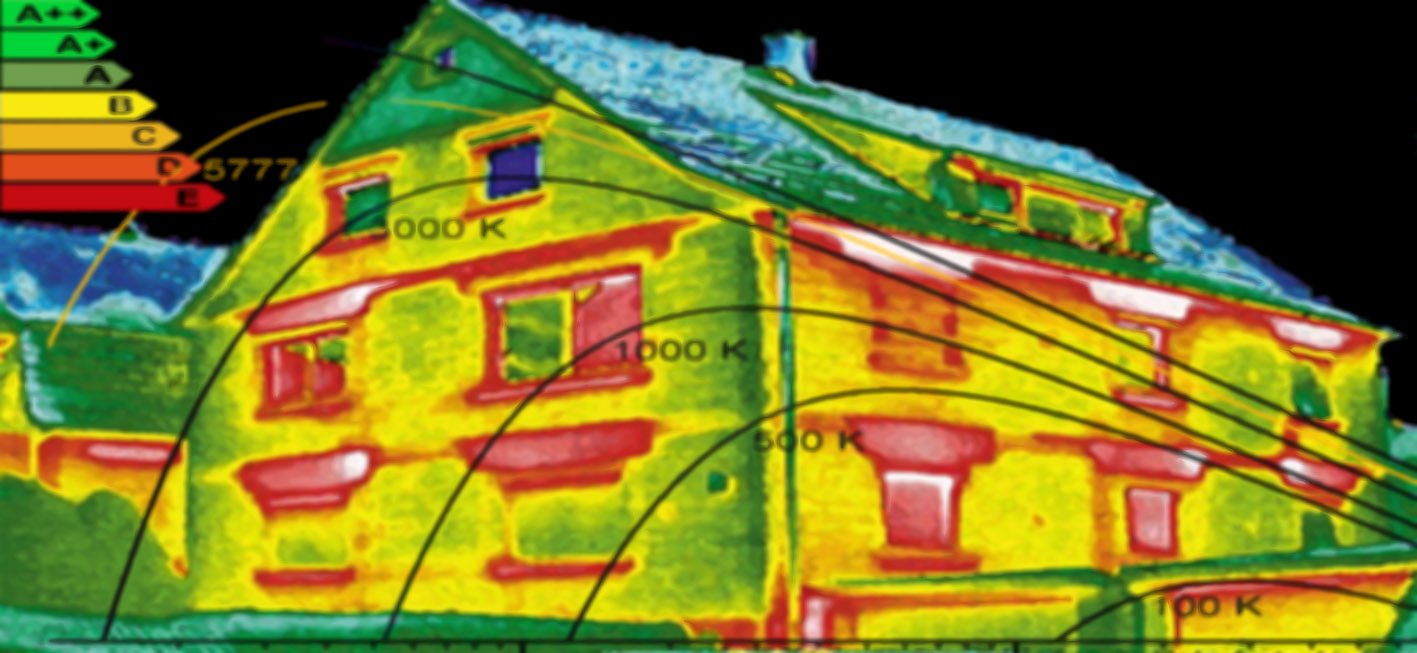
Energieausweis, Thermische Sanierung von Gebäuden, Sanierungsscheck und andere Förderungen, bauphysikalische Nachweise. Was ist der Energieausweis und wann wird er benötigt …

Energie effizient erzeugen Erneuerbare Energie
Erneuerbare Energie, Photovoltaikanlagen, PV-Gemeinschaftsanlagen, Biogasanlagen, Kraft-Wärme-Kopplungen. KWKs stellen eine höchst wirtschaftliche und umweltfreundliche Lösung für die Bereitstellung …
Verbesserte Energieeffizienz und der Einsatz erneuerbarer Energie sind die Schlüssel zur Energiewende und damit zur Dekarbonisierung. Gleichzeitig bieten beide Maßnahmen wirtschaftliche Vorteile. Wir unterstützen unsere Kunden mit unseren Leistungen bei der effizienten und nachhaltigen Nutzung von Energie und Ressourcen.
Die Schwerpunkte unserer Tätigkeit liegen dabei in der Beratung zur Verbesserung der Energieeffizienz für Industrie und Gewerbe sowie im Einsatz erneuerbarer Energie, und da vor allem Photovoltaik (PV-Anlagen).
Wir führen Analysen und externe Energieaudits gemäß EN 16247 und Energieeffizienzgesetz in Ihrem Unternehmen durch und unterstützen Sie bei der Einführung von Energiemanagementsystemen gemäß ISO 50001. Wir sind seit Jänner 2015 als Energieauditoren gemäß EEffG zugelassen.
Weiters erstellen wir Energieausweise, Sanierungskonzepte für thermische Gebäudesanierungen und beraten hinsichtlich Sanierungsförderungen wie z.B. Sanierungsscheck.
Wir verfügen über langjährige Erfahrung in der Planung und Umsetzung von Photovoltaik-Projekten, erneuerbarer Energie und KWK.
Unsere beratenden Ingenieure unterstützen Sie gerne auch bei PV-Gemeinschaftsanlagen und anderen Energie- und Umweltprojekten – von der Grobplanung über die Ausschreibung und Bieterauswahl bis hin zur Bauüberwachung und Abnahme.
Als Auditoren für Zertifizierungen nach ÖGNI und DGNB begleiten wir Sie auf dem Weg zu nachhaltigen, zertifizierten Gebäuden (Green- und Blue Building – Zertifikate) sowie als geprüfter „EU-Taxonomy Advisor approved by ÖGNI“ bei Bewertungen Ihrer Liegenschaften und Gebäudeportfolios hinsichtlich EU-Taxonomie.
 Energieeffizienz, Photovoltaik
Ein ökologischer Fußabdruck ist keine Frage des Gewissens
… sondern des vernünftigen Wirtschaftens.